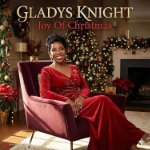
 Here's a new original holiday song for 2025 from one of the great soul singers of the 60s and 70s. No Pips attached, but this is a solid soul ballad, old school with orchestration, and while it won't make a lot of the more adventurous playlists, it's worth noting for those who are of more eclectic bents. Streaming and download everywhere.
Recently in Soul/R&B Category
 I'm trying to tread lightly when it comes to questions of authenticity here in the AI era. Nevertheless, Nyka here, advertising herself as an R'nB singer from Houston, throws off a lot of the expected signals for an AI-generated artist. Social media accounts that appear to have only been created during 2025 (there's even a short, if inconclusive, Reddit thread asking whether she's real), six albums and a bunch of singles all dated 2025, at least a few of them with cover art that resembles some AI-generated memes, and, on Apple Music, a list of "similar artists" who have the same sorts of tell-tale aspects to their history. As for the music, it's modern slow-jam R'nB with Christmas-oriented lyrics, like "Mistletoe Kisses," "December Crushes," "Red Velvet Christmas," "Naughty List," "Snowed In," "Gift Wrapped," and "Midnight Sleigh Ride." If you didn't have the information I gave you earlier, you'd accept these songs as playlist candidates without question. As with the Dynalectric Orchestra reviewed here earlier, if Nyka isn't made up out of whole cloth and stray electrons, she and her friends are definitely using AI to bulk up her catalog. If AI isn't an issue for you, this streams and downloads everywhere.
 Aphrose is a Toronto-based soul singer of Jamaican extraction, and for 2025 she drops this cool old-school soul midtempo ballad about living the whole year with Christmas spirit. Flip it over for "You Ain't Mine (At Christmas Time)," a little slower, also soulful, about missing someone on the holiday. Check these out for sure.
 ShanDaria is from Charlotte, NC, and I got a preview of this 2025 single to share with you. It's a cool slow jam that's all about missing someone on Christmas and asking Santa for help. Supposed to drop Dec. 5, but it's apparently streaming already, so go check it out.
 Texas neo-soulster Leon Bridges drops this cool single for 2025, the title song offering a bit of country influence with a solid R'nb middle tempo while "This Christmas I'm Coming Home" is a funky ballad done as a duet with Norah Jones. A must-have this season and it's available everywhere you stream or download.
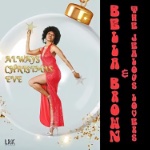 Here's an old-school showstopper soul ballad from this Chicago band now working from Los Angeles and made available by a Cambridge UK record label. This 2024 release throws down thanks to Bella's vocals but also due to a strong band performance, with lyrics calling for the peace, love and understanding that comes on Christmas eve. Streaming available but downloads not on Amazon, and there's a vinyl single that includes the non-holiday dance floor classic "Soul Clap." While streaming and vinyl are available on Amazon, the Bandcamp page lets you download both sides and order the vinyl as well. (There's a different Bella Brown making records; make sure your searches include the whole band name.)
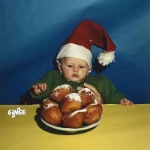 Can't seem to find any information about this artist, but given the label attribution I'm going to guess this person is European. This 2024 single is very cool, 80s-90s R'nB flavored music and solid soprano singing. Downloads and streaming wherever you get your music. While tracking this down I found Ginge (with Zephyr) performing "Deck the Halls," another 2024 single but it appears to only be available on Apple Music. UPDATE: Reader Roman Mitz confirms that Ginge is from Utrecht, The Netherlands.
 Haven't heard of this band before, but man I'm sorry I'm just encountering this after the Mistletunes mix is done. This is fabulous 70s funk-soul for your Christmas party dance floor. Flip side is an instrumental of the song. Download or stream it everywhere.
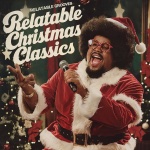 Before I start raving about the hilarity of all this, please note that YouTube tags this music as being created at least in part through artificial means. Relatable Grooves apparently is domiciled in Belgium, and the descriptions on YouTube of these tunes is completely fictional, claiming the 10 tunes here are rare unreleased Motown classics by nonexistent singers. There's no other information available about this 2024 offering, which doesn't surprise me; Spotify is full of "artists" without any biographical information. Anyway, whatever AI they used to create this album must have gorged itself on the entire Motown oeuvre, because these are convincing ripoffs. And the lyrics are hilarious; all songs are credited to one Ben Geudens, who has a LinkedIn profile that states he's from Belgium but no photo, bio or posts, and a fairly active X account that retweets posts in the original Dutch and discusses AI at a professional level, but shares characteristics with fake accounts. But AI or not, you're going to get some laughs out of songs like "Merry Cringemas, Baby," "You're Too Fat (To Dress Up As Santa)," "Can't Afford No Damn Presents," "Fightin' Around the Christmas Tree," "Let's Talk Politics at Christmas Dinner," "Put My Eggnog In Yo' Mouth," "This Christmas Turkey Sucks," "Kissed Grandma On the Mouth (Tastes Like Raisins)," "Fuck These Christmas Lights," and "I Didn't Wanna Be a Christmas Singer." Explicit tags on all per iTunes. Downloads and streaming in all the usual places; Ben or whoever the creator is might want to invest in a vinyl pressing for this.
 I'm not all that familiar with Victoria Monet, I admit, but she dropped a hip-hop album called Jaguar II back in 2023, followed up with a deluxe release as is the current fashion for those who have the fan base to support such a move, and now in 2024 has dropped an orchestral instrumental version of the same album heavily medleyed with familiar Christmas songs. The Christmas tunes aren't explicitly called out in the playlist (except "I'm the One (Jingle Bells)"), but trust me, they're all over this, when they're not using themes from the original Jaguar II album. The song titles are essentially derived from the original album's songs, like "It's a Celebration Every Time It Snows," "Cadillac Christmas," "How Does It Make You Feel," "On My Mama (Christmas Medley)," "Stop (Askin' Me 4Gifts)," "Christmas in Hollywood," and "Merry Christmas Dan." If R'nB flavored instrumentals that only occasionally touch on the holiday is your jam, then I guess this is for you. Downloads and streaming available.
 The video for this suggests an attempt at placement in a Target commercial, but we're not offended any longer by people trying to monetize their work. This Elvis, as opposed to the others, has been on "The Masked Singer," and now for 2024 has this soul/pop hybrid about the sights and sounds of the holiday. Streaming and downloads in the usual places.
 From Down Under, Melbourne to be precise, this 70s-style funk band recently broke into the Northern Hemisphere via London and the EU, and for 2024 they dropped an EP with three original tunes: the soulful ballad title tune, the uptempo dance number "Wrapt in a Beau," and funky instrumental "The Bells of Holly Hill." Very cool. Downloads and streaming in all the usual places.
 Haven't encountered Jonathan before, but this 2024 Christmas EP features six solid original tunes in a mostly soul/R'nB framework, although his publicity indicates he's best known in the gospel/Christian music world. Collection opener "White Christmas," not the classic tune, is a solid uptempo soul tune, while title cut "Red & Green," celebrating the holiday color scheme, has more of the contemporary hit chart sound. "Sent Me a King" and "Don't Take Christmas" are holiday soul ballads, more pop than gospel sounding. "Christmas Is Everything" picks up the pace again and "Forever Mistletoe" closes as a more R'nB styled ballad. Nice work, and if this moves you, Jonathan is touring behind it this season. Streaming and download options available.
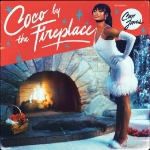 Coco's better known as an actress on Peacock's "Bel-Air" and several Disney properties, but she's pursued a parallel career as an R'nB singer, and this 2024 EP brings us four new original tunes, the sprightly opener "Santa Is Me," the slow jam "Call on Christmas," the more uptempo, and boastful, "My Presence Is a Present," and the pensive ballad "String of Lights." While trying to get up to speed on this release, I discovered she has another single from last year, "A Timeless Christmas." Download and stream all of this from the usual sources.
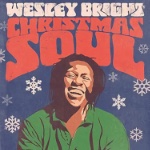 I've often paraded my sweet tooth for old-school soul music before the readership, so when Stubby tipped me to this guy, I immediately looked him up. Wesley, originally from Akron, OH, leads a soul band called the Honeytones that had a booming career as a touring act until Wesley had to take time off for family matters. But he's since returned to the studio, and this 2024 holiday EP is the result. You'll hear a lot of the 1960s soul sounds made by the smaller independent labels of the period, rather than Motown or Stax. Younger listeners will hear Daptone sounds, of course, and it's always fun to play spot-the-influences with genre artists like Wesley. Meanwhile, the songs are strong and well performed. "My Favorite Holiday" kicks things off nicely, no spoiler alerts necessary for the lyrics of course. "Give Out My Christmas Love" will bring everybody to the dance floor, as will "It's That Time" and "I'm Coming Home," the latter sounding a lot like an old soul tune called "Well Baby Please Don't Go," and reindeer get two shout-outs here, the gritty blues "Ain't No Reindeer" and the midtempo ballad "It's Raining Reindeer." Great stuff. Stubby notes that releases by the West One label tend to disappear from availability after a short time, so you might want to download this while you can. It's also on streaming; no physical media I'm aware of.
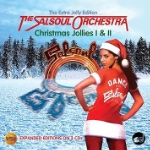 Hey, remember Christmas Jollies? The Salsoul disco Christmas album from the late 1970s produced by Vincent Montana of MFSB fame? It's been reissued and remastered a number of times over the years, but for 2023 it's gone full box set edition, a 3-CD set featuring the original album, some outtakes, and an entire second album called Christmas Jollies II done by a different producer, but definitely in that 70s disco realm. I consider it a niche interest item myself, considering how cornball the original album was to my less mature ears, but given how the popular music scene of the last 20 years has consisted of young artists slicing and dicing various versions of past musical genres, maybe we're due for a suburban couples-swapping soundtrack revival. Your call.
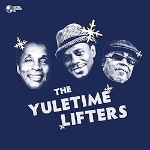 This is a Daptone supergroup featuring vocalists Ron Preyer of the Younghearts, Torrence Brannon of the Delfonics, and Clarence Matheney of Los Yesterday. Daptone stalwart Bosco Mann produced and co-wrote this cool vintage soul number that will bring folks out on the dance floor. Gotta have. The label offers vinyl, but download and streaming are the more common ways you'll grab this. The flip side, as was common practice back in the day, is an instrumental of the song.
 The daughter of Bobby McFerrin ("Don't Worry, Be Happy") is now an R'nB singer-songwriter, and she's dropped this catchy little midtempo jam for Christmas 2023. You won't mistake this for an early soul-era tune, but that's only because of all the modern touches like synth bass and gymnastic vocalese; otherwise it's a solid song performed well.
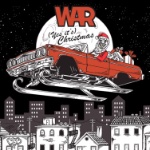 These funk superstars from the 70s have managed to persist to the present day, and for 2023 they dropped their first-ever Christmas cut, which consists of new lyrics to their hit song "Summer." That was a great languid summer jam, so no surprise this ends up being a great languid Christmas jam. Check it out. (I should note that I encountered a War hits collection that included a song called "Baby It's Cold Outside," but that's not the familiar holiday tune.)
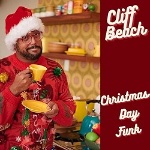 As previously promised, Cliff's back with a new Christmas song for 2023. Great 70s funk groove with a call-and-response chorus. If you've got too many covers of the original artists from that period in your playlist, slip this in there for something a little fresher. Not sure if there's a physical artifact out there, but you can download or stream it.
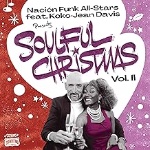 If you find yourself wanting more from these folks, they're back for 2023 with another helping of classic soul. Stevie Wonder's "What Christmas Means To Me," Carla Thomas' "Gee Wiz, It's Christmas," and "Santa Claus Is Coming To Town" in a funky non-Phil Spector arrangement. Once more, great vocals, great backing, and easily heard or procured.
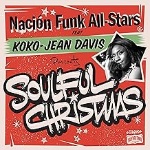 While trying to ascertain the status of the Snowflakes Christmas Singles Club, I happened upon their coverage of these artists from Barcelona, Spain. This 2022 EP gives us three classic soul Christmas gems in perfect period renditions -- "Christmas (Baby Please Come Home)," "Merry Christmas Baby" in the Otis Redding arrangement, and "Backdoor Santa." Koko-Jean Davis is a fine vocalist and the band is tight. Apparently various permutations of these folks have been performing in Europe for many years. Considering their location, you may be surprised to find these are easily procured on streaming or from Amazon on vinyl or download.
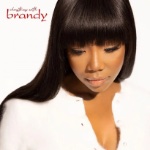 The popular singer-actress came on strong for Christmas 2023 with this new holiday album, backstopped by the streaming movie "Best Christmas Ever," in which she stars. Although being on Motown doesn't necessarily mean what it once did, you can count on this being a nice blending of old-school soul and contemporary sounds, led by the singer's strong vocal performances all the way through. No big surprises, though; "Have Yourself a Merry Little Christmas," "Santa Baby" and "The Christmas Song (Chestnuts)" sound pretty much the way you'd expect them to sound, for example, as does the Motown holiday staple "Someday at Christmas." She gives "Jingle Bells" and "Deck the Halls" modern R'nB midtempo treatments, bringing them closer to the originals on this set, "Feels Different," "Somebody's Waiting," "Christmas Party for Two," "Shine Out Your Light," "Christmas Everyday," and "Christmas Gift," a duet with her daughter Sy'Rai. All told, a solid effort.
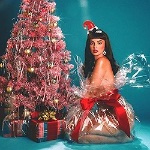 This R'nB singer from Miami has only been around for a few years but she's made her mark in the streaming world with millions of plays. This Christmas collection originally dropped in 2020 and it's almost all balladry and slow jams. She has a soulful jazz voice, however, so those of you leaning that way will enjoy this. She offers fine ballad versions of "The Christmas Song (Chestnuts)," "O Holy Night," and "Have Yourself a Merry Little Christmas." She teams up with The Weeknd for "Christmas Blues" and Alicia Keys for "Winter Time," and other tunes on here include "I Just Melt," "Short Red Silk Lingerie" and "Warm December." No physical media, appears to only be available for streaming and download.
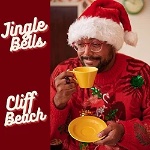 Missed this from 2022, a cool semi doo-wop rendition of the popular carol for the modern age with minimal rhythm backing. We've had Cliff here before, specifically in 2021 for his full album Merry Christmas, Happy New Year, and this is more of the same old-school soul music everybody still loves. Streaming/download only, click cover to go to Amazon. Should note he's got a 2023 single in the hopper, "Christmas Day Funk Master," but that doesn't drop until Dec. 1.
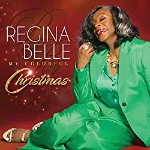 Regina's best known for duetting with Peabo Bryson on "A Whole New World," the big hit from Disney's "Aladdin" movie. For 2022 she drops this solid 90s-influenced soul/gospel album with participation from members of her family. It's mostly pop-soul, more for the easy listening crowd, but it's a lively performance from front to back. She duets with her daughter Sydni Battle on an original tune, "A Baby Changes Everything," a solid soul ballad, and adds Nyla Battle and Ronald Scruggs to "The First Noel." The single from the album "Cradle in Bethlehem" is more of a gospel tune, a diva turn on "Silent Night" opens the album, and similar versions of "Hark the Herald Angels Sing," "O Come All Ye Faithful," "Away in a Manger," are here, along with a jazzy take on "Auld Lang Syne." The album wraps with "I Had To Leave (A Song From Bernie)," a tribute to Regina's brother who worked as a producer for the album but passed before it was completed. In my view, her dancehall reggae take on "O Little Town of Bethlehem" is the keeper from this album, and will be for most Mistletunes readers.
 Kadhja is a modern soul performer who's been around for about a decade, and for 2022 dropped this six-song EP featuring four original tunes, the bouncy title song and the midtempo ballads"Little Christmas Tree," "It's Christmas Time," and "Keep Christmas With You." She also acquits herself well on a soulful version of "Wonderful Christmastime" and honors Stevie Wonder with her version of "Someday at Christmas." Cool modern R'nB for your playlists.
Here's an all-star conglomeration offering a 2022 tribute to the author of this popular soul Christmas classic. Folks like Kenny Loggins, Michael McDonald, RIchard Marx, Melissa Manchester, Lamont Dozier Jr., Frieda Payne, Florence LaRue and others combine with an LA-based band for a full-blown pop version of the song. If you enjoy this, contribute in some way to the Donny Hathaway Legacy Project, which supports other music-based nonprofits in their work to help musicians. Or just grab it from Amazon.
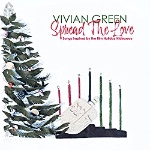 Vivian's been around for a couple of decades, having written songs for Boys II Men and also worked with Jill Scott. For 2022 the Philly native dropped an EP of four original songs including the title song, a combined ode to Christmas, Hanukkah and Kwanzaa. Also included is "Around the Tree (Missing You)," about a celebration without a special person; "Everybody's Gathered," about the holiday table; and "No Holiday," another upbeat number about togetherness. She also does a diva turn on "O Holy Night," though a folky-jazzy take rather than a midnight mass showstopper. Solid R'nB singing and good originals.
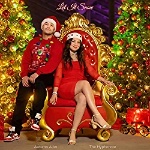 Had this duo last year with a hip-hop rendition of "Rockin' Around the Christmas Tree," and for 2022 they're back with a similar take on "Let It Snow." Solid soulful take, fine singing, and the rap interlude doesn't overwhelm the carol. Turns out this is an EP with these two songs plus instrumental versions of "Carol of the Bells," "Jingle Bells," and "Deck the Halls." Check this out for yourself.